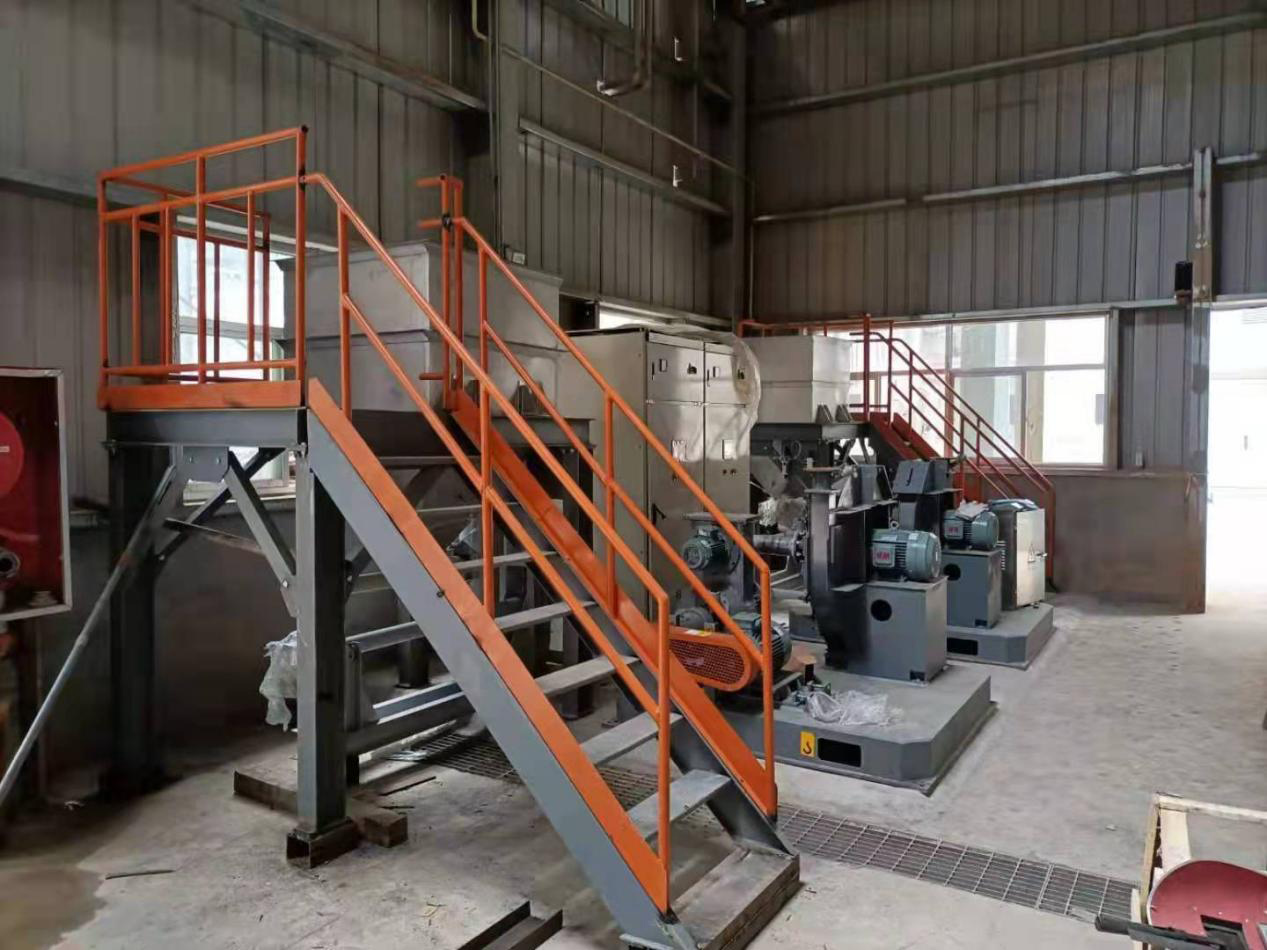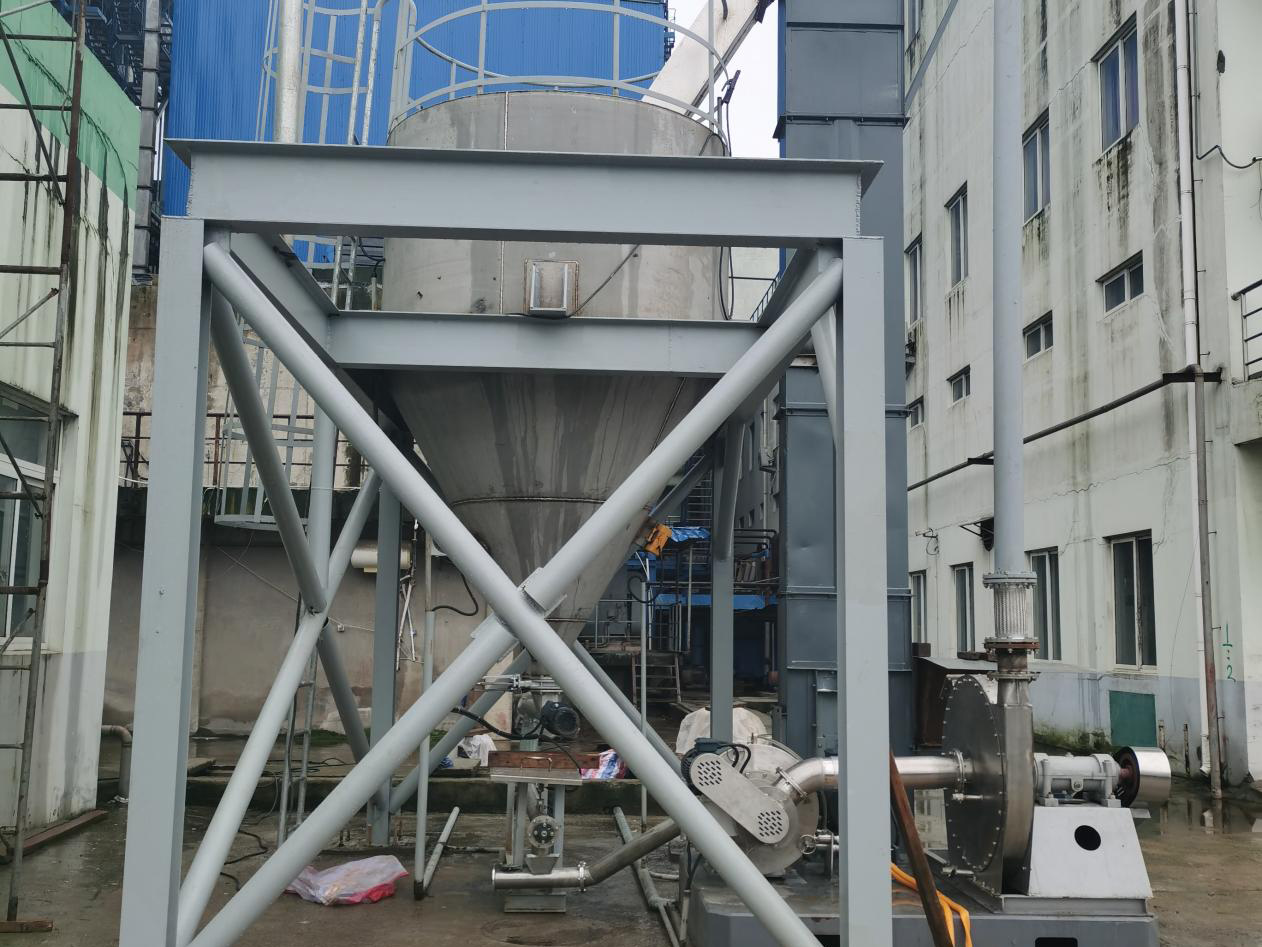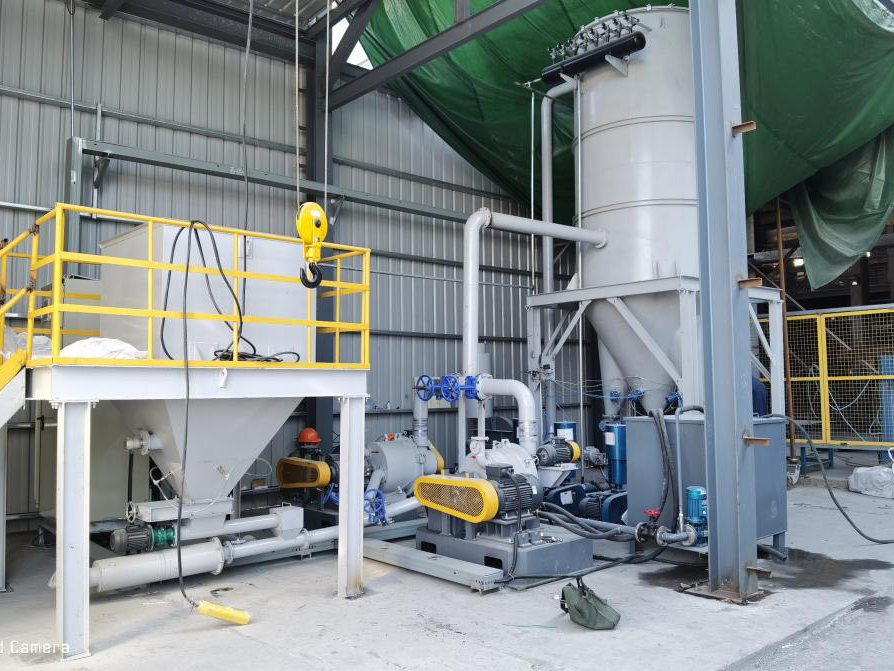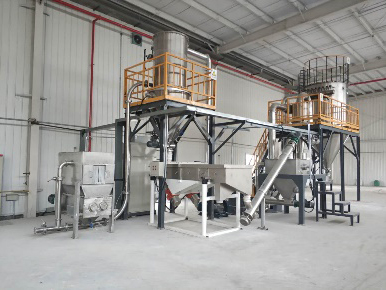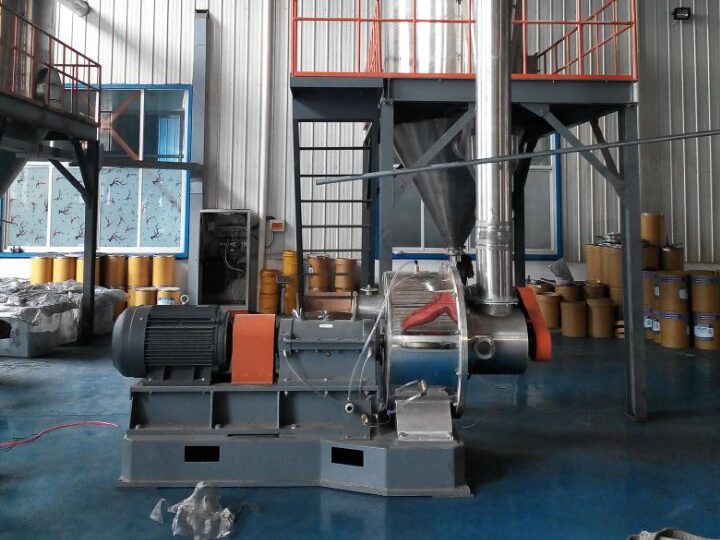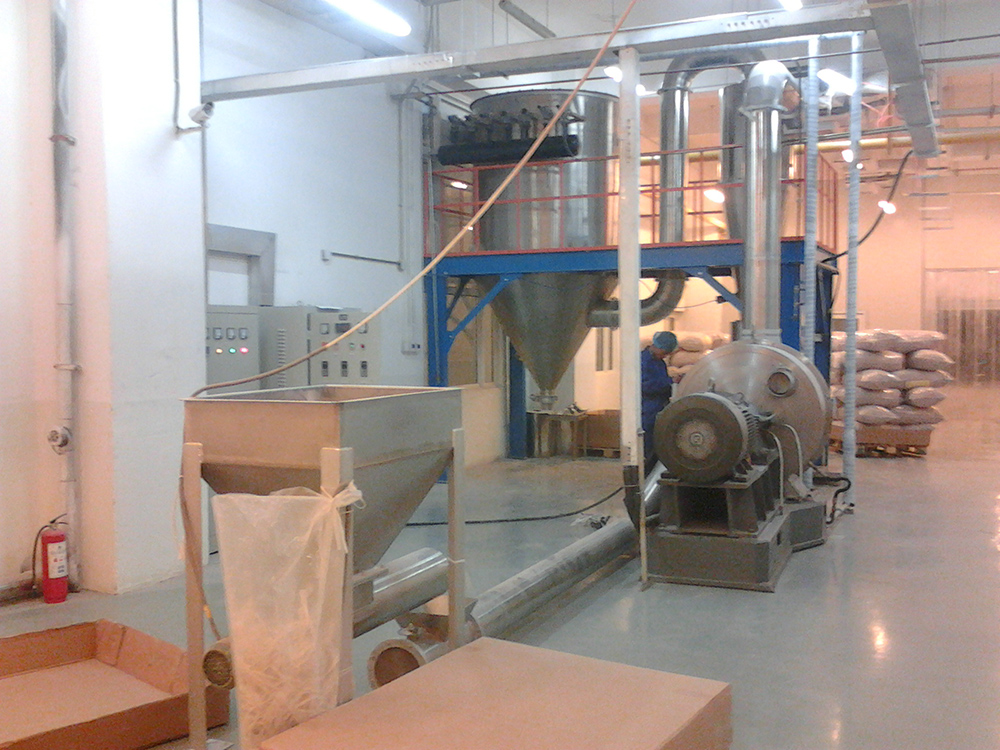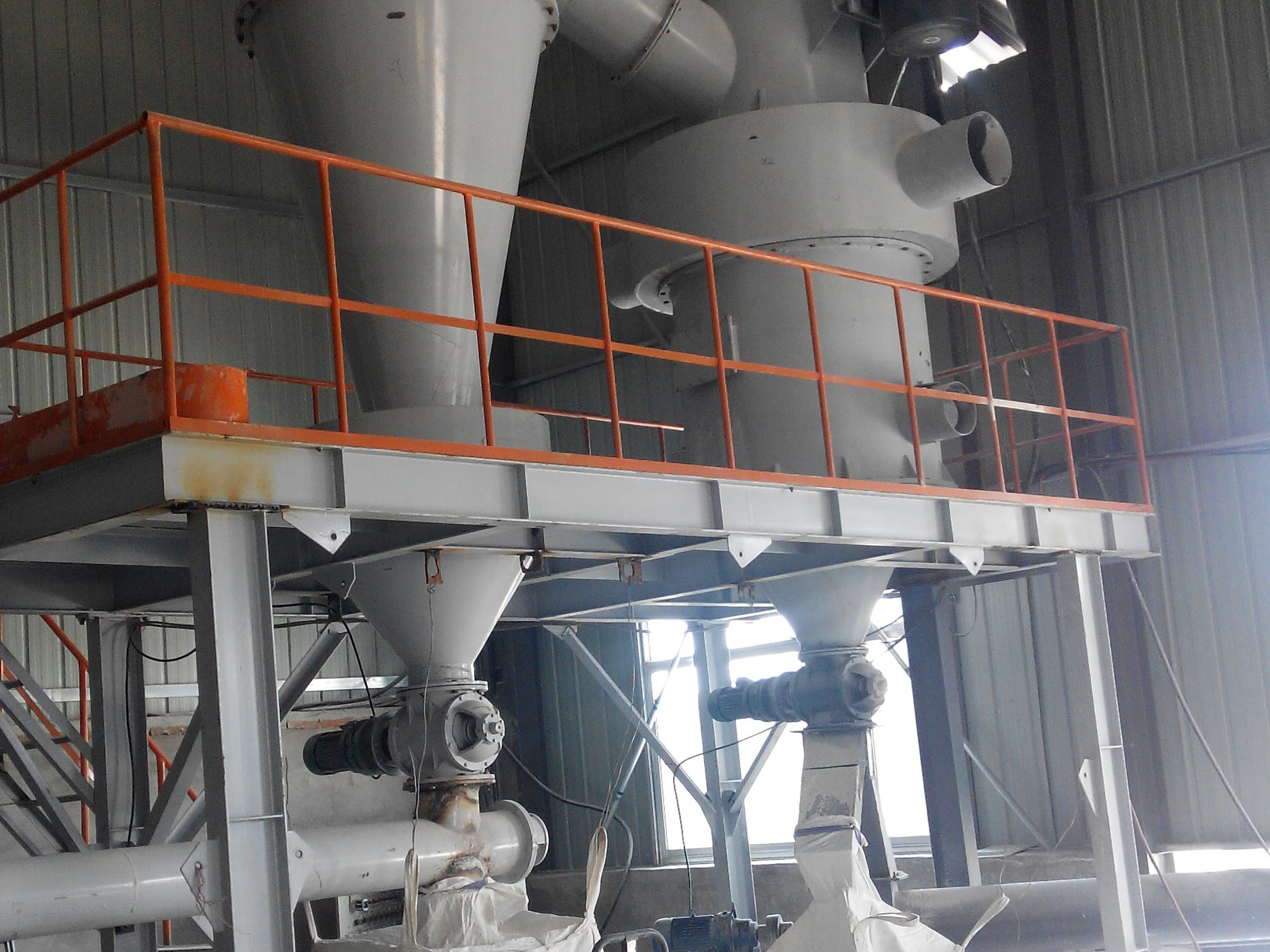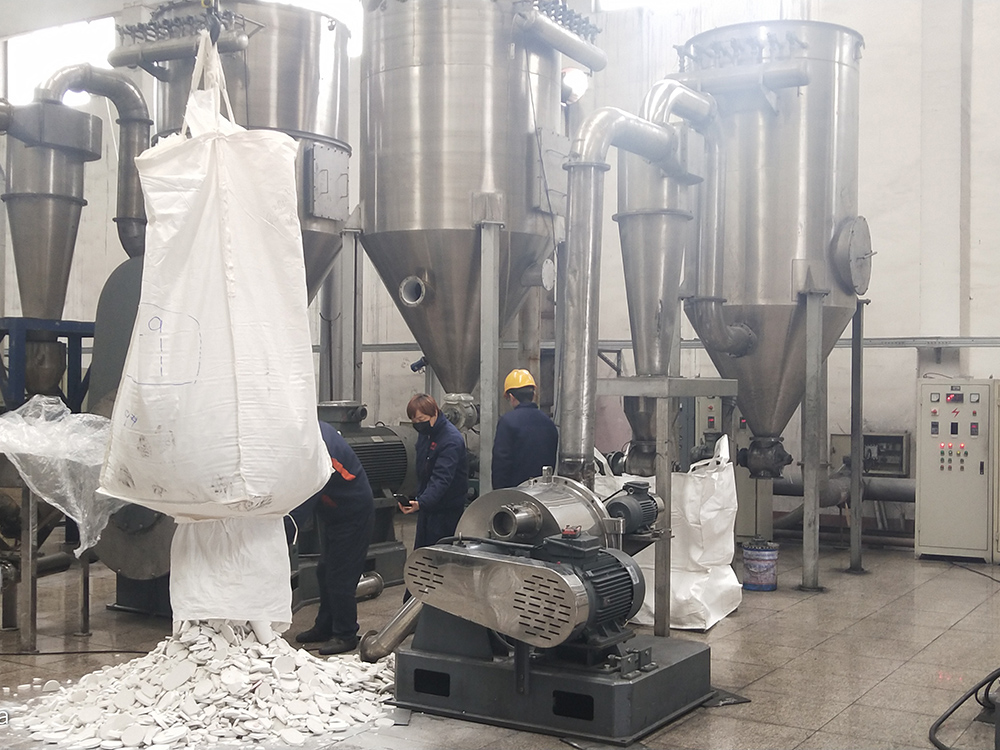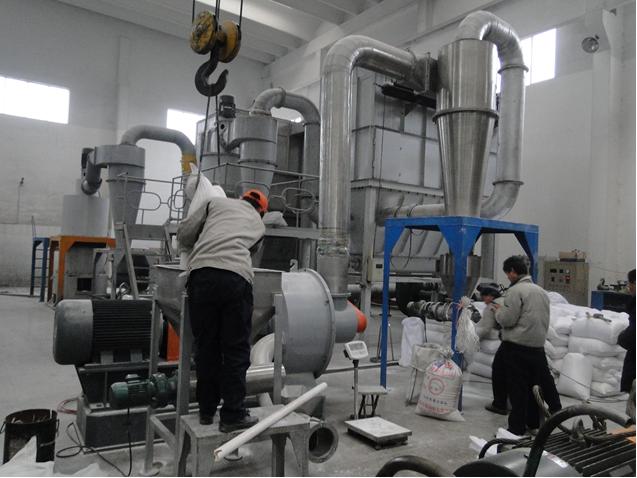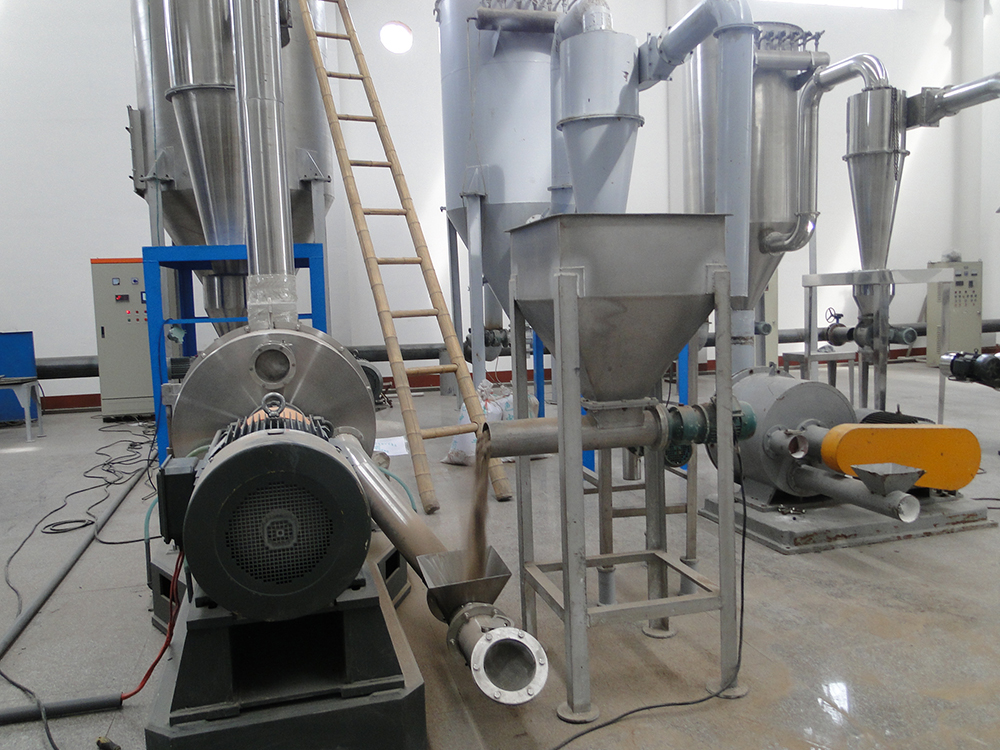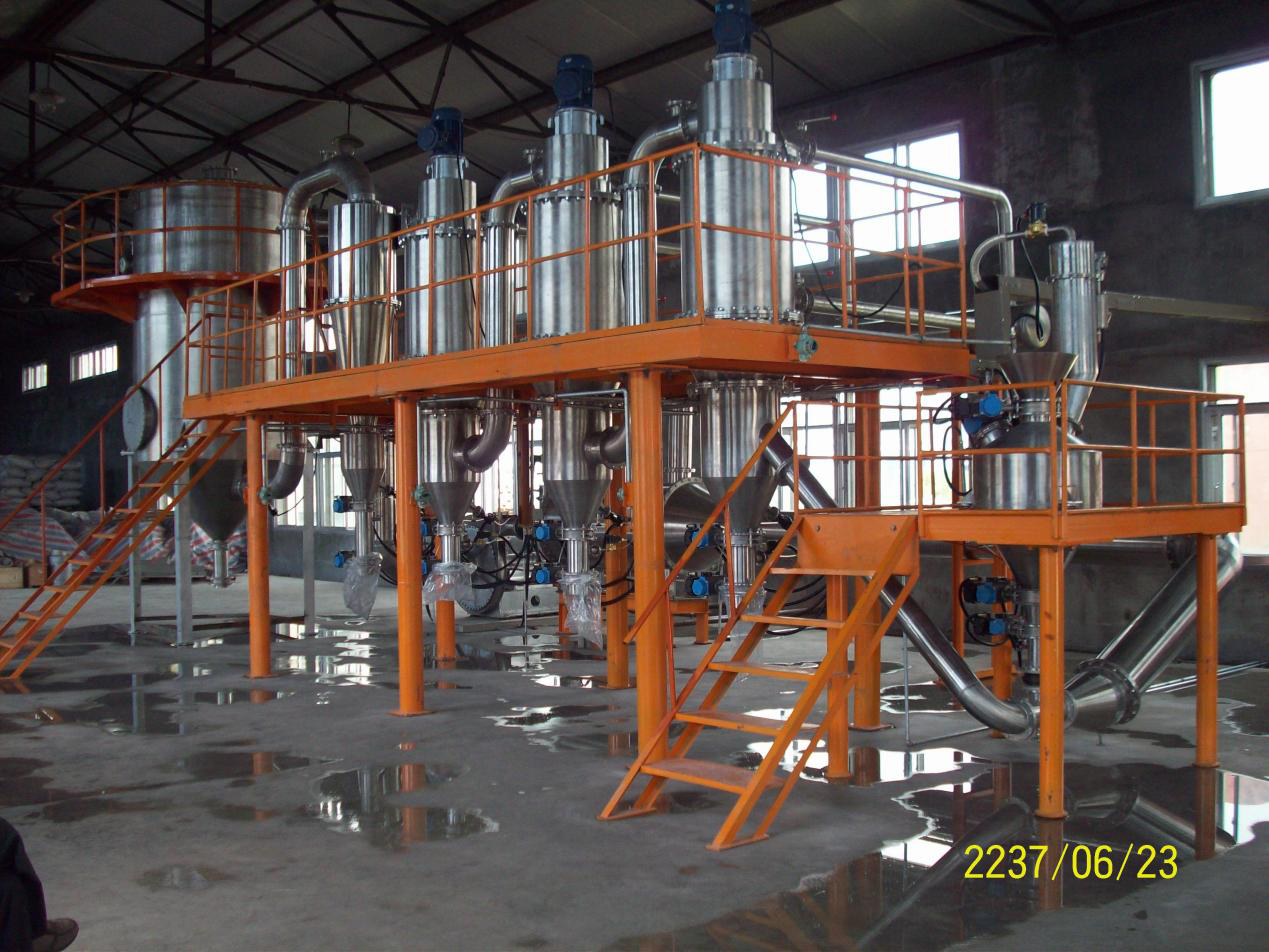
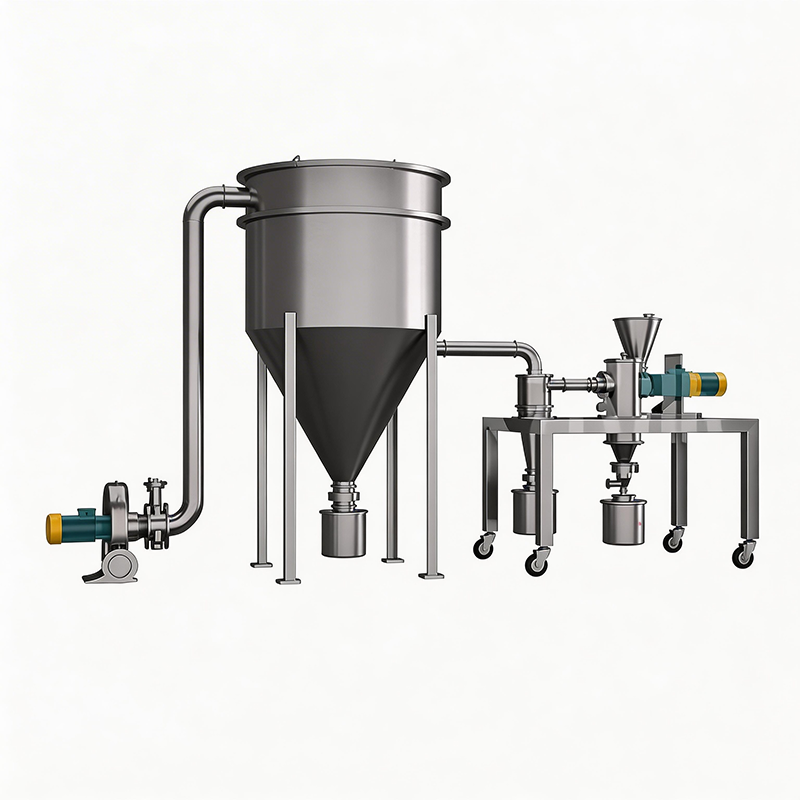
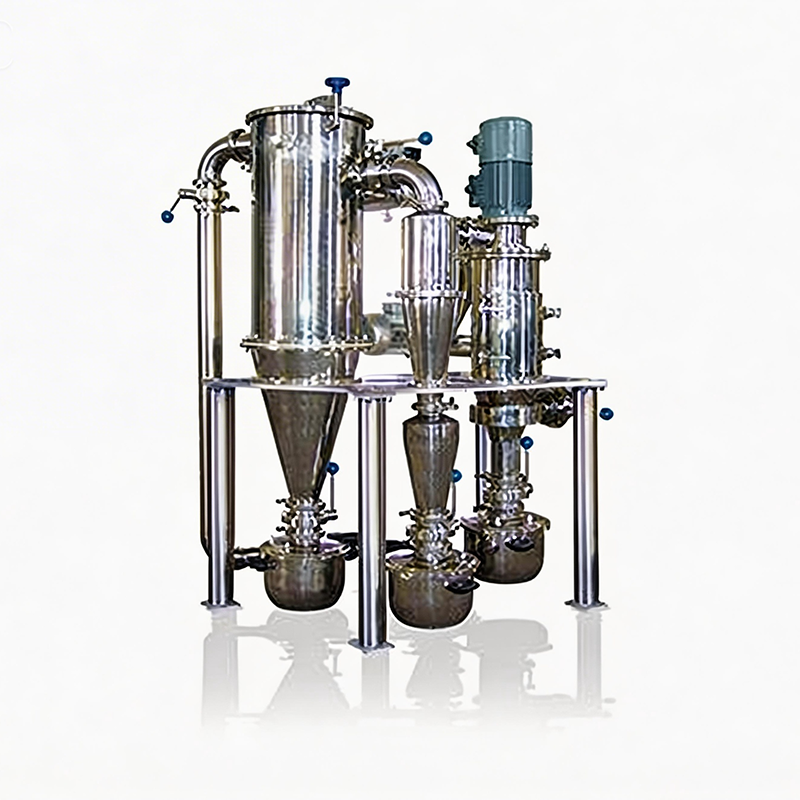
Products

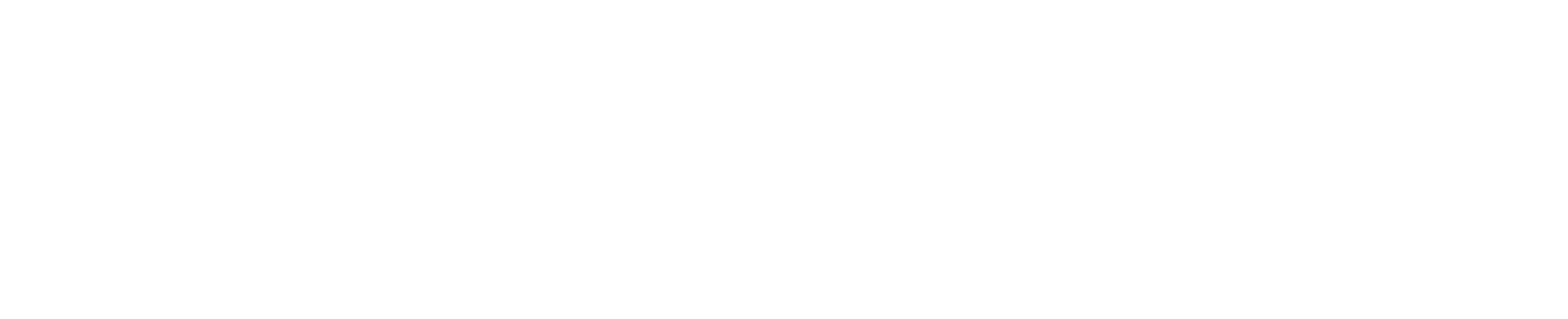
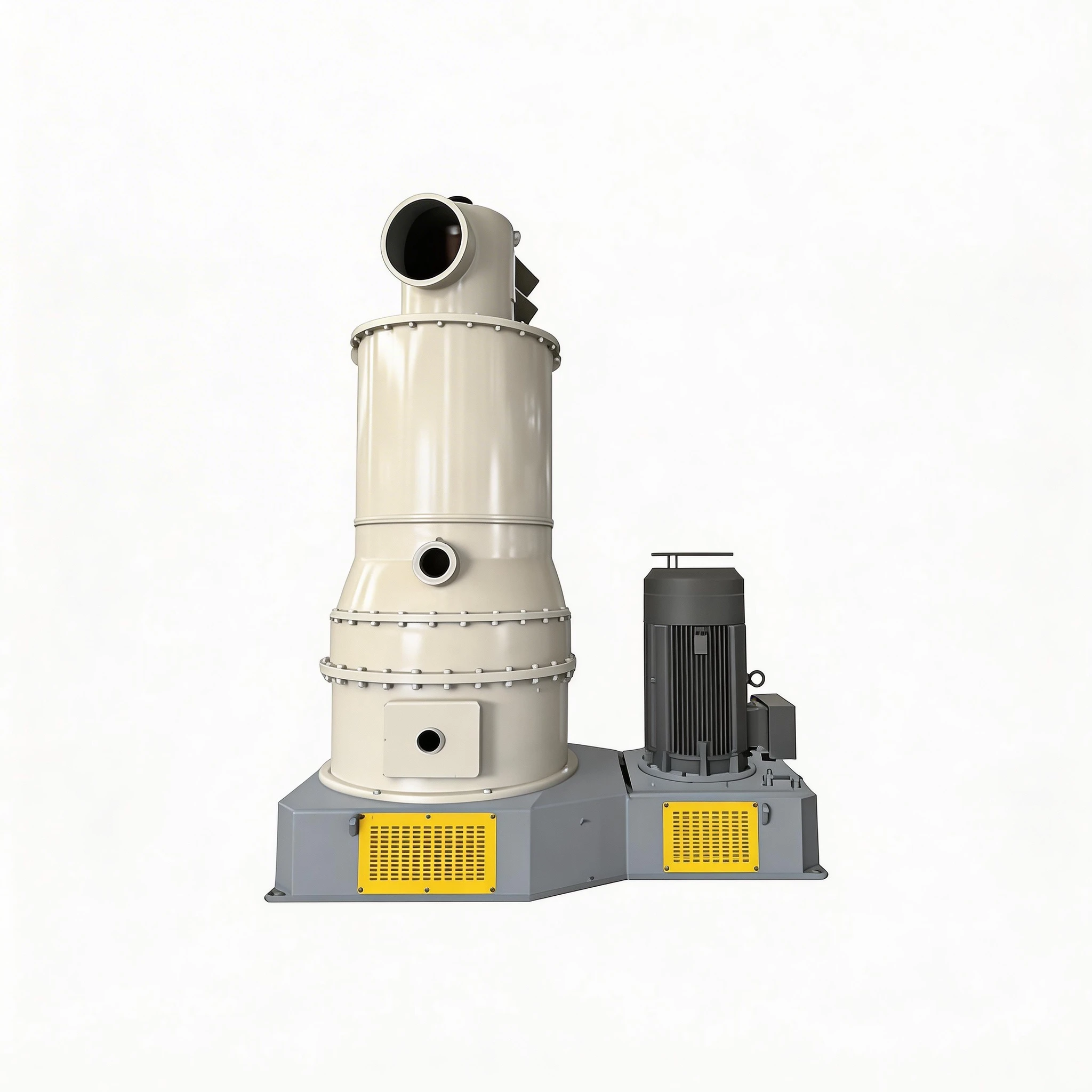
Feed size: ≤1mm
Fineness: 1–45μm (d97)
Capacity: 10–500 kg/h

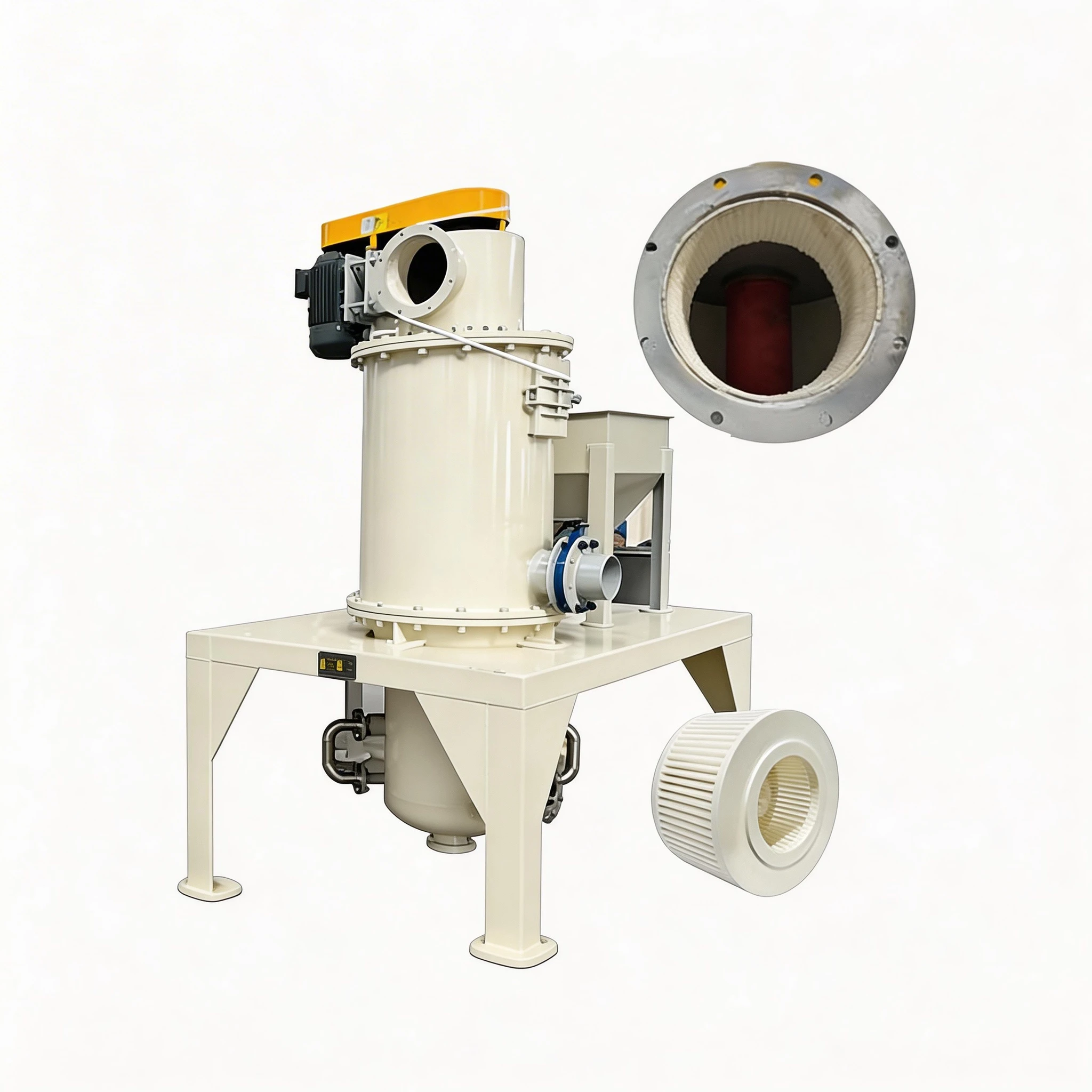
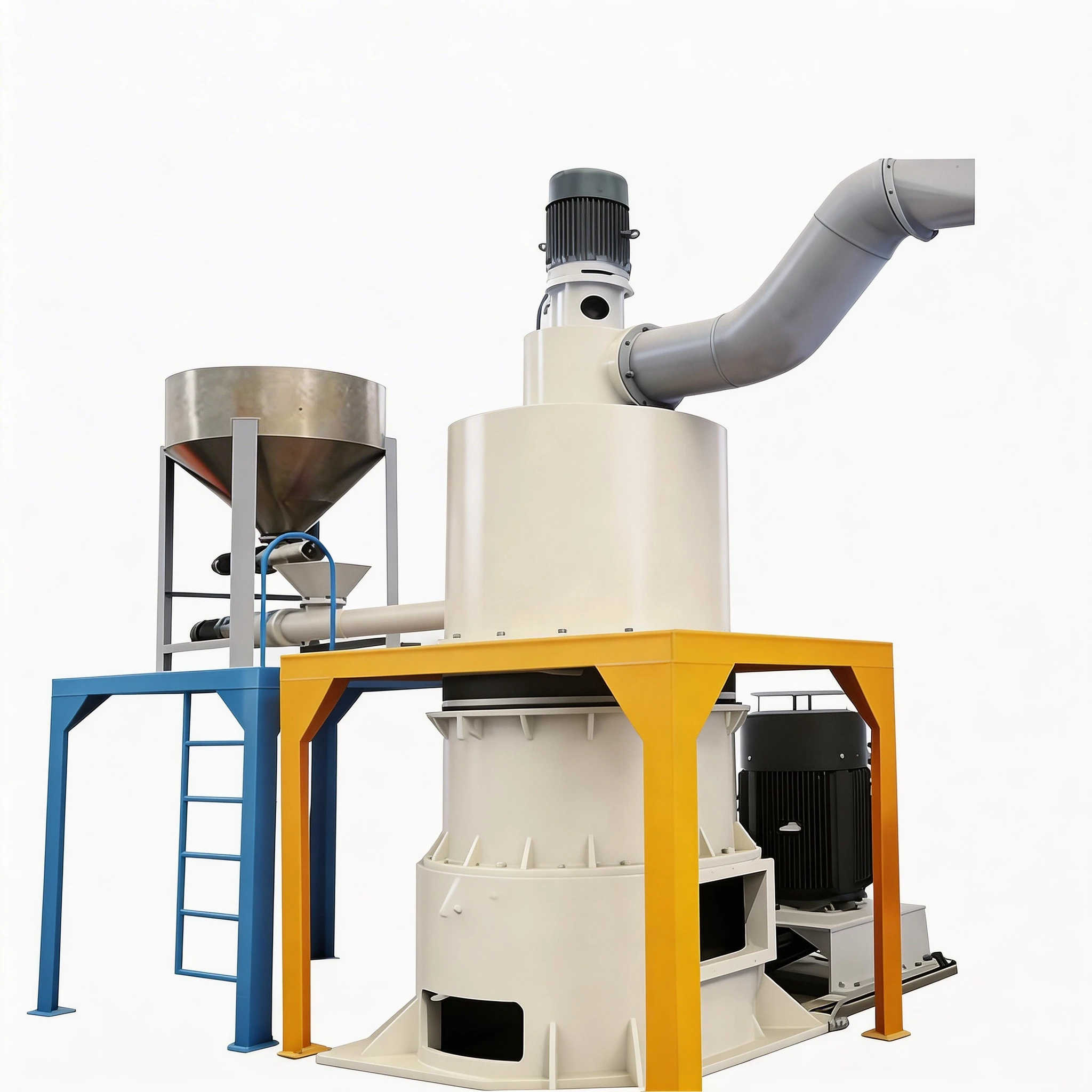
Cut size: d97 2–150μm
Grading efficiency: 85–95%
Capacity: 0.1–20 t/h

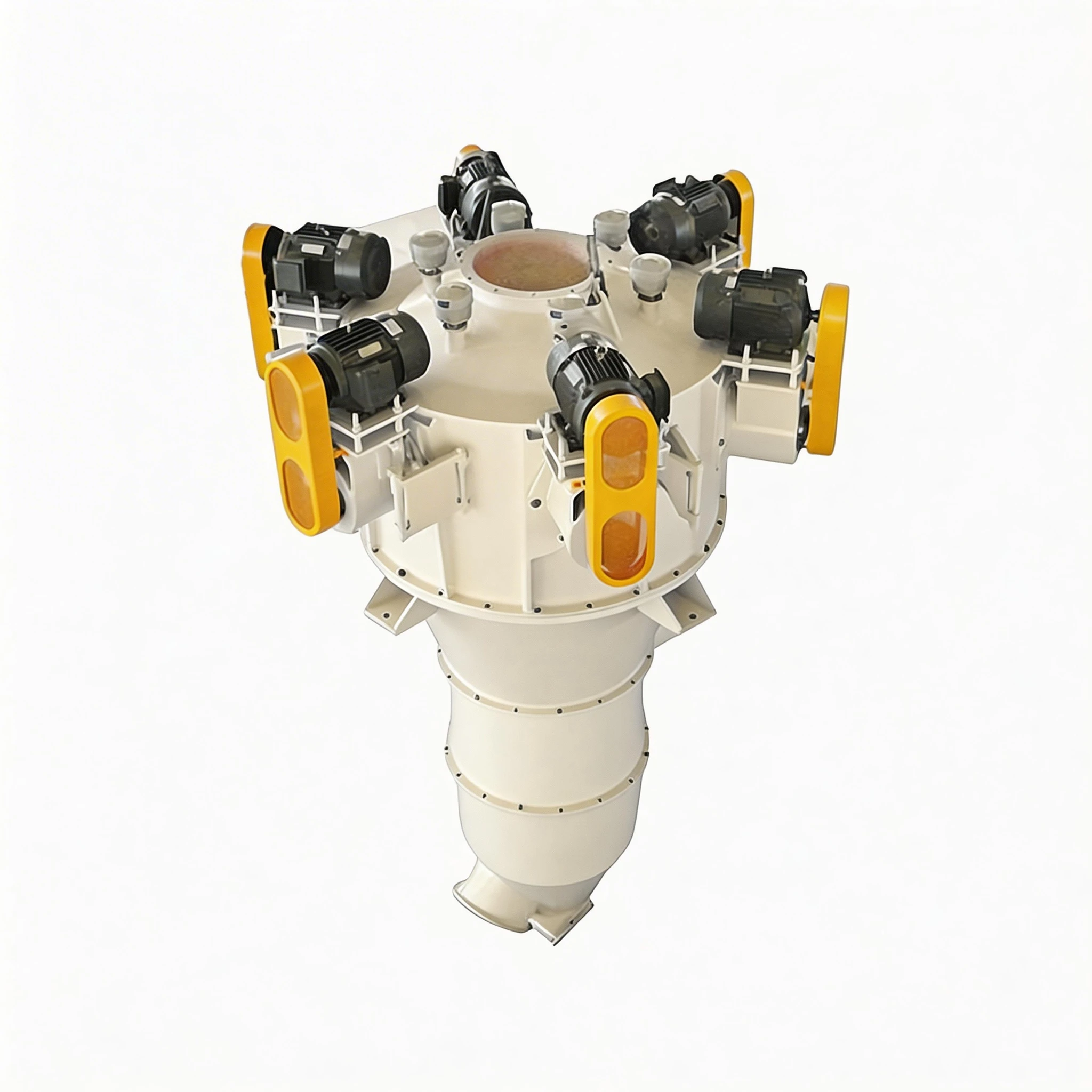
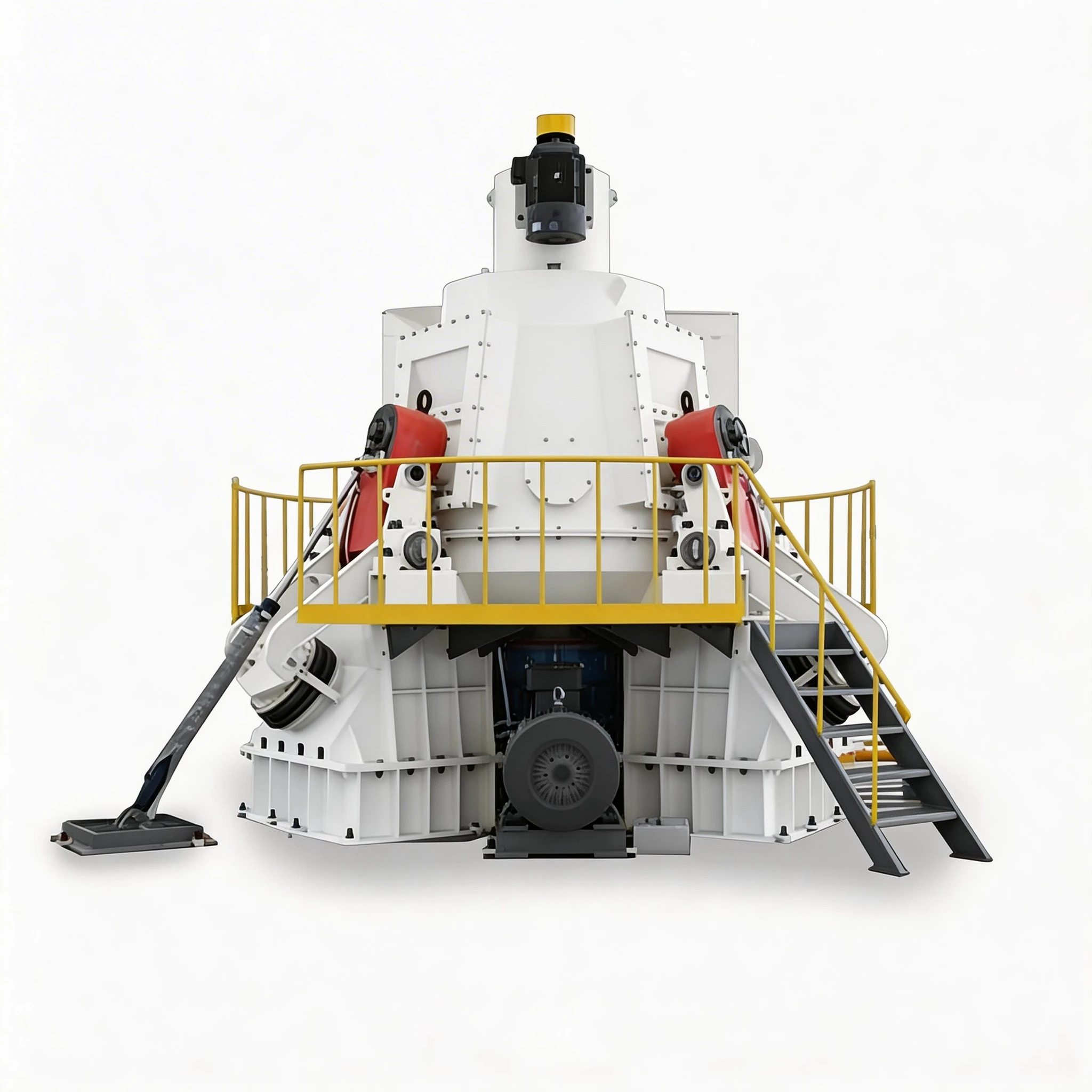
Feed size: ≤5mm
Fineness: 2–100μm (d97)
Capacity: 0.5–30 t/h

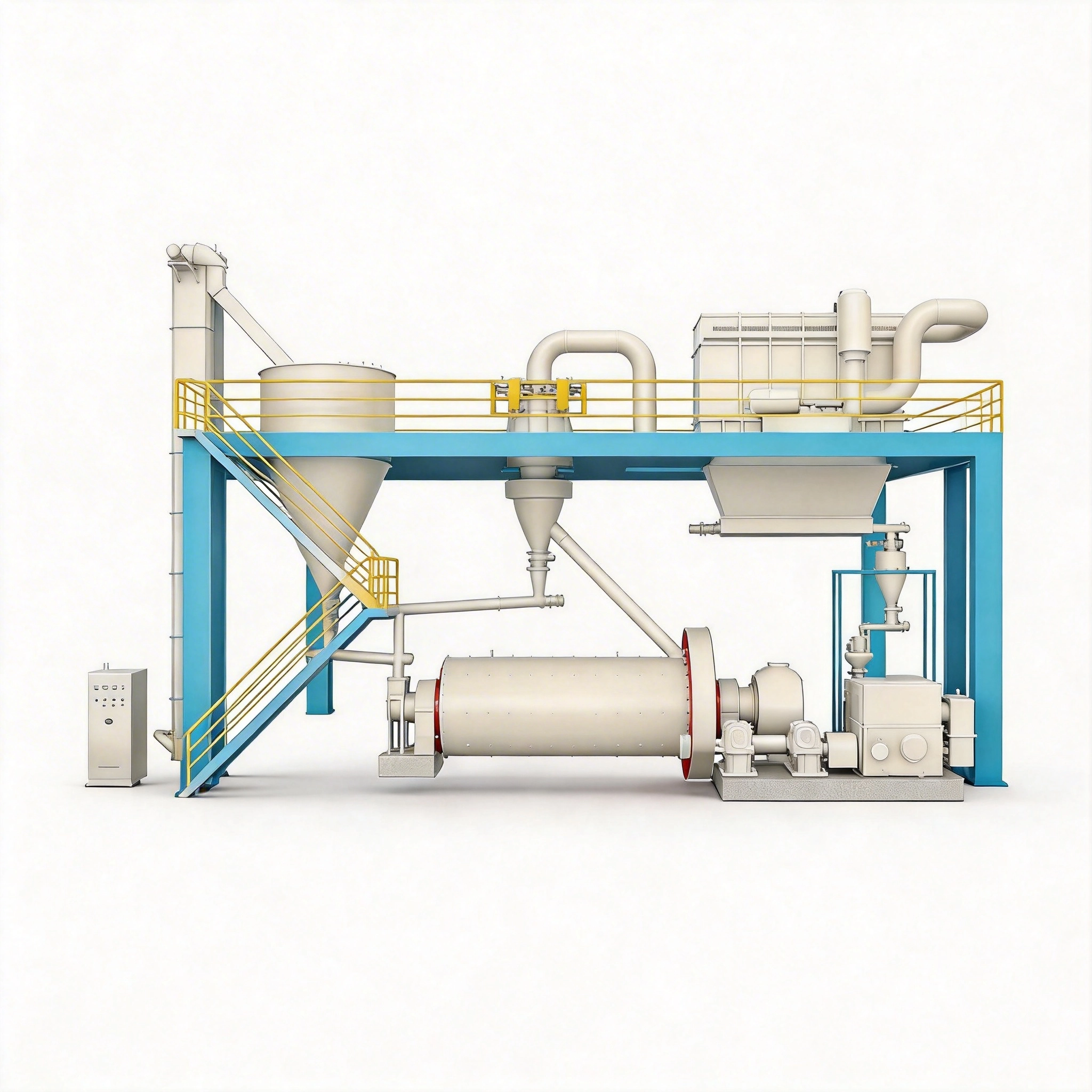
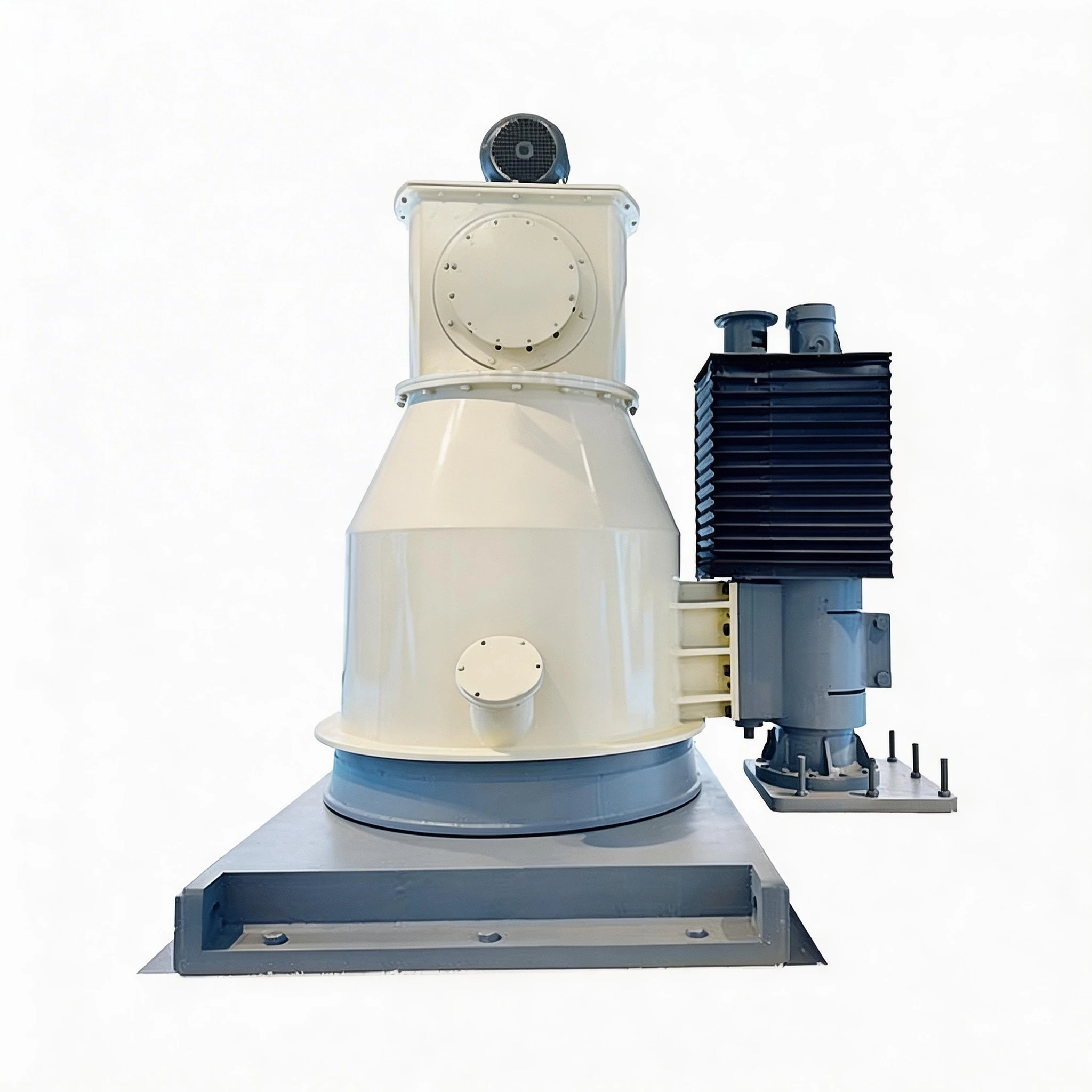
Feed size: ≤10mm
Fineness: 10–74μm (d97)
Capacity: 0.5–10 t/h

Feed size: ≤10mm
Fineness: 5–45μm (d97)
Capacity: 0.5–25 t/h

Feed size: ≤10mm
Fineness: 3–22μm (d97)
Capacity: 1–40 t/h

Feed size: ≤15mm
Fineness: 22–180μm (d97)
Capacity: 1–10 t/h

Feed size: ≤1mm
Fineness: 5–45μm (d97)
Capacity: 0.5–10 kg/h

Cut size: d97 5–50μm
Grading efficiency: 85–95%
Capacity: 0.5–5 kg/h

About Us

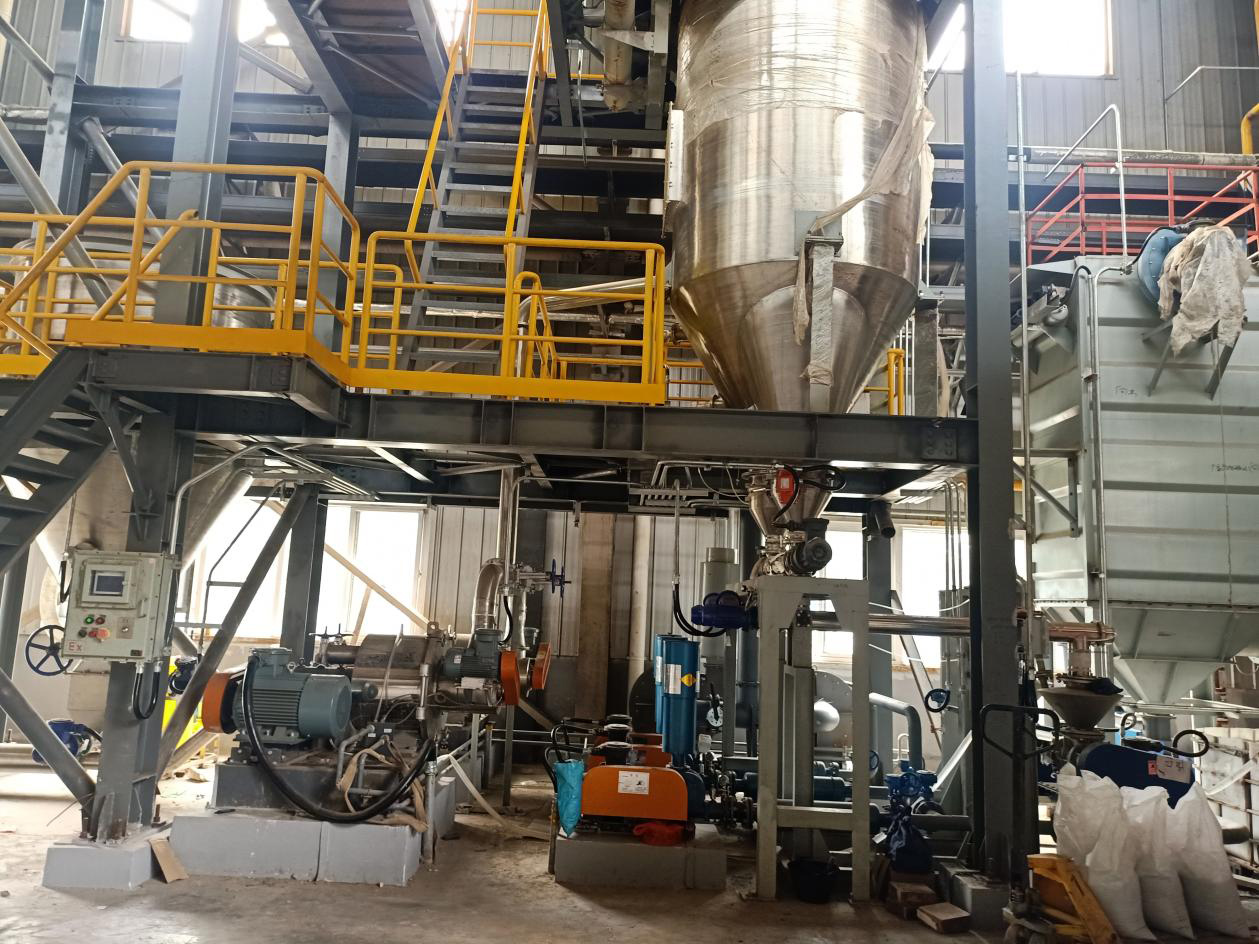
Baiyoute is a factory-direct manufacturer of full-range ultrafine grinding equipment, trusted by industrial clients across 30+ countries. With over 20 years of focused expertise in ultrafine powder technology, we integrate R&D, manufacturing, sales, and after-sales service under one roof — delivering engineered solutions to your exact specifications.
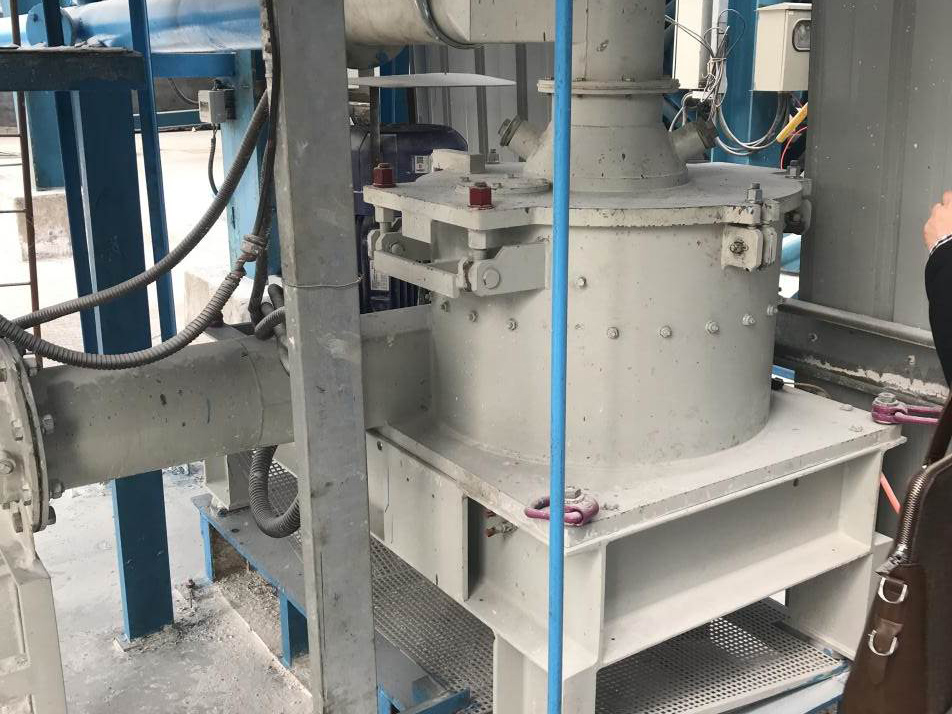
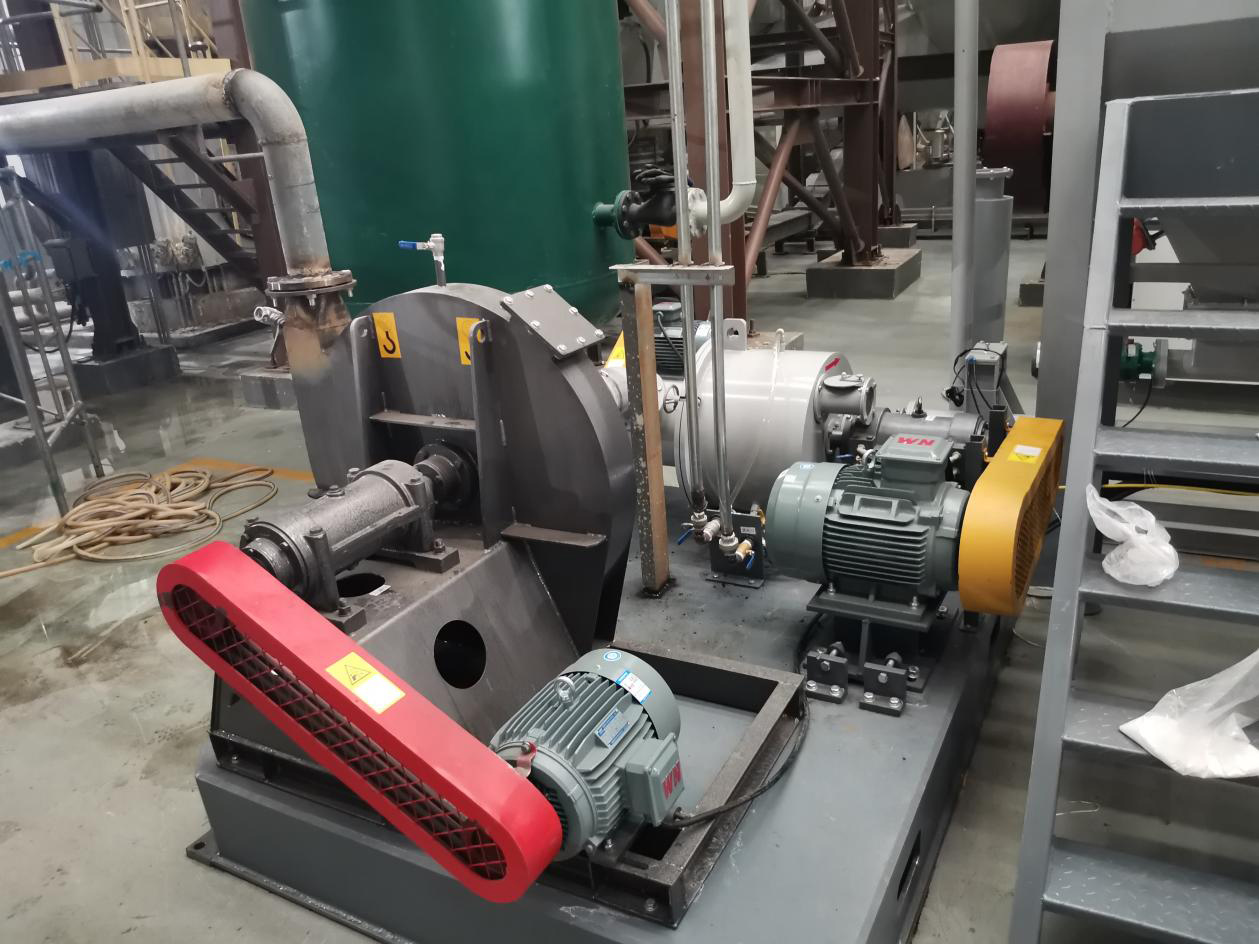
Our product line covers jet mills, air classifiers, micronizers, vertical roller mills, ring roller mills, and powder packaging systems, engineered for precision, efficiency, and environmental compliance. From single machines to complete powder processing lines, we customize every solution to meet your production requirements.
Direct factory export via Qingdao Port. Factory audits are welcome — we stand behind every machine we build.

WHY CHOOSE US

Built for Buyers Who Can’t Afford Downtime

Countries Served

30 +

Equipment running across minerals, chemicals, and new energy industries worldwide.

Years of Focus

20 +

Exclusively focused on ultrafine grinding technology — not a general machinery company.

Days Lead Time

45

Factory-direct production with streamlined scheduling. Most orders shipped within 30–45 days.

After–Sales Response

24 h

Remote diagnostics, spare parts, and on-site commissioning support available worldwide.

Our Partner

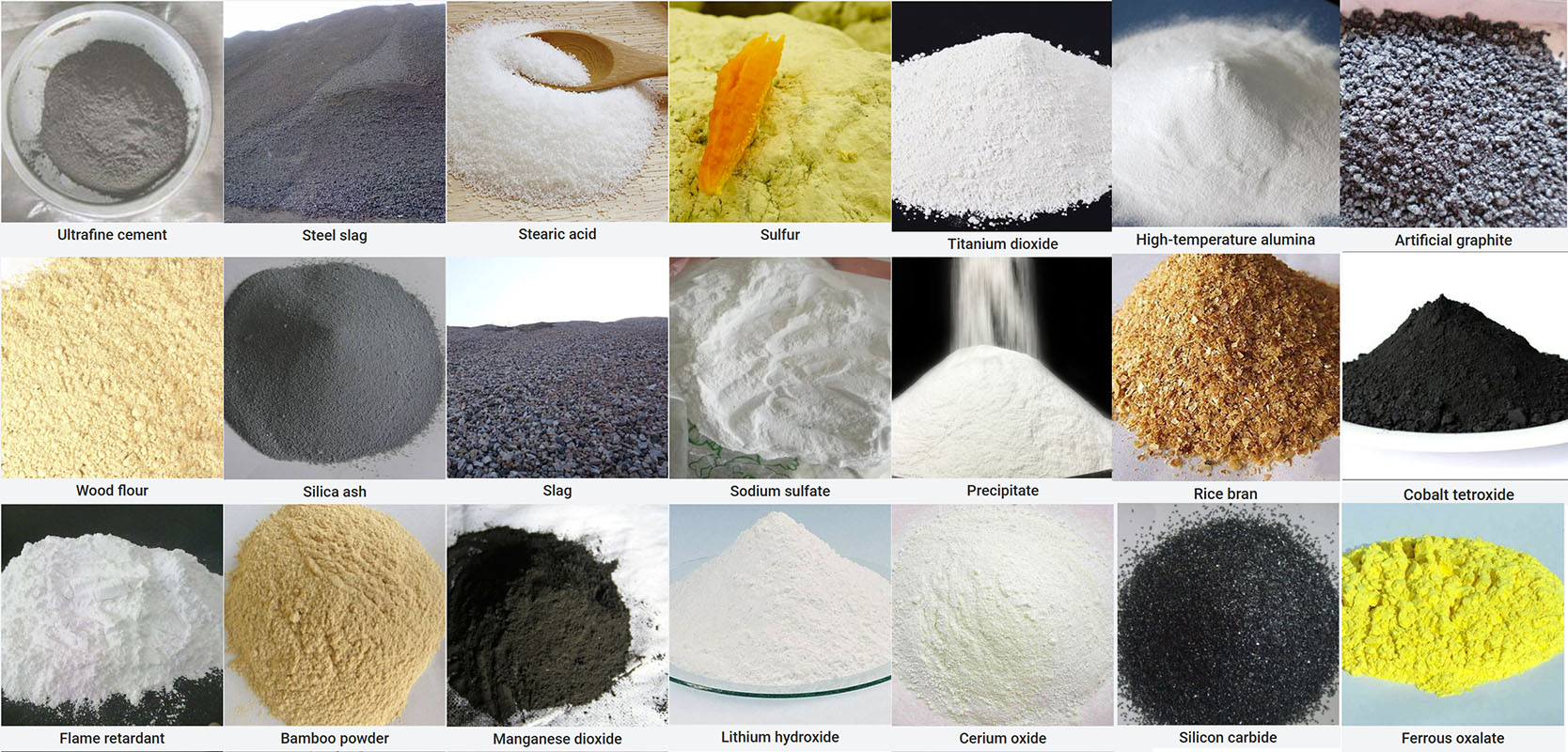
Built for the Full Spectrum of Powder Materials

From ancient minerals to next-generation materials — wherever fine powder matters, our equipment delivers.
Minerals & Mining · Chemicals & Pigments · New Energy & Battery Materials · Construction & Metallurgy · Pharmaceuticals & Food · Environmental & Recycling
100+ processable materials. 325 to 3000 mesh. Built for the full spectrum of industrial powder production.

Materials

Projects Worldwide

TESTIMONIAL

What our customers say

The equipment operates stably, and the powder processing precision far exceeds expectations. The one-stop service is efficient and worry-free—highly recommended!
Emilia Clarke
Emilia Clarke
Engineer
With over 100 product lines covering the entire process, our customized solutions perfectly fit production scenarios, and the after-sales support is prompt and professional.
Emilia Clarke
Kit Harington
Engineer
We received full support from selection to commissioning. The energy-efficient equipment has significantly boosted our production efficiency and product quality.
Emilia Clarke
Peter Dinklage
Engineer

FAQ

A superfine pulverizer is a mechanical device capable of grinding materials to micron (μm) or even nanometer levels. In industrial applications, it generally refers to equipment that achieves a finished product fineness between 300 and 2500 mesh (approx. 50μm to 5μm).

Most superfine pulverizers utilize mechanical impact, shearing, or air jet collision principles. Materials enter the grinding chamber via a feeding system and are crushed by high-speed rotating blades or airflow. A built-in classifier wheel then separates the qualified fine powder, while coarse particles are returned for further grinding.

They are widely used in pharmaceuticals (e.g., cell-wall breaking of TCM), food (e.g., meal replacement powders, matcha, spices), chemicals (e.g., catalysts, pigments), new materials (e.g., graphite, ceramics), and cosmetics.

Fineness is mainly adjusted by changing the speed of the "classifier wheel" via a frequency inverter. The higher the speed, the greater the centrifugal force, allowing only finer particles to pass through, resulting in a finer powder. Additionally, adjusting air volume and feeding speed also affects the fineness.

For heat-sensitive materials, a water-cooling jacket or cryogenic grinding (using liquid nitrogen) can be used. For flammable and explosive materials, a closed-loop system filled with inert gas (like nitrogen) is typically employed, along with explosion-proof components.

A decrease in capacity is usually caused by: 1. Clogged filter bags leading to insufficient air pressure; 2. Severe wear of blades or liners; 3. High moisture content causing material buildup on walls; 4. Uneven feeding speed.

Tell Us What You Need.

Share your material and production requirements —
we’ll respond within 24 hours with a tailored solution.

Subscription Form

Privacy | Baumart Machinery ©2025 Baumart Machinery Company,
All Rights Reserved

Subscription Form
Subscription Form

这将关闭于 0